

Massive crackdown on independent media throughout Belarus
Since early morning, Belsat TV has been getting reports about persecuting independent media from cities and towns of Belarus.
— Read on belsat.eu/en/news/08-07-2021-massive-crackdown-on-independent-media-in-belarus/

Hot Air on Sea Breeze – EU vs DISINFORMATION
This week’s disinformation focuses largely on Ukraine, particularly the HMS Defender incident and operation Sea Breeze.
— Read on euvsdisinfo.eu/hot-air-on-sea-breeze/

Russia’s ‘Ukrainian spy’ mania gathers pace and new victims in occupied Crimea
Russia’s ‘Ukrainian spy’ mania gathers pace and new victims in occupied Crimea
— Read on khpg.org/en/1608809275

Storytelling and Disinformation – An EUvsDisinfo Classic – EU vs DISINFORMATION
Storytelling and Disinformation – An EUvsDisinfo Classic – EU vs DISINFORMATION
— Read on euvsdisinfo.eu/storytelling-the-disinformation-2/
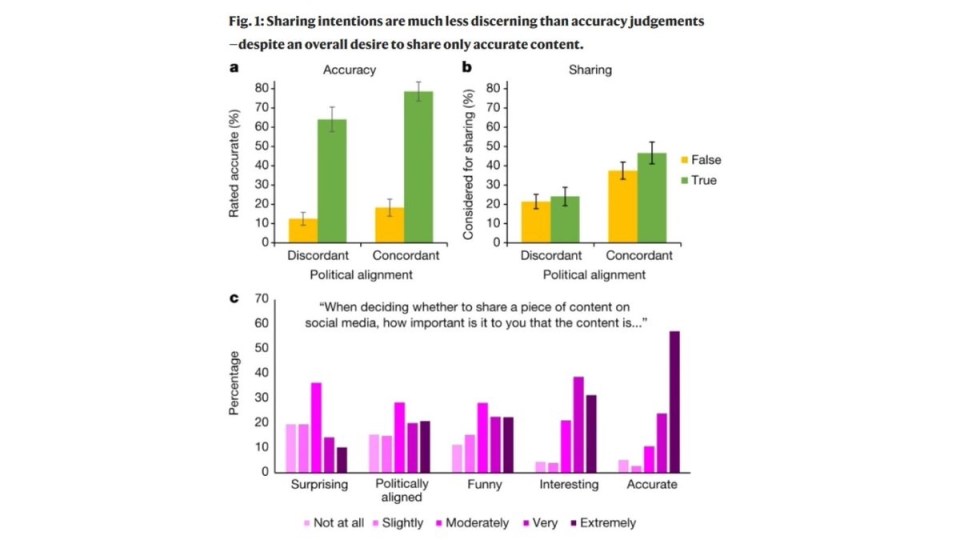
Shifting attention to accuracy can reduce misinformation online | Nature
In recent years, there has been a great deal of concern about the proliferation of false and misleading news on social media1–4. Academics and practitioners alike have asked why people share such misinformation, and sought solutions to reduce the sharing of misinformation5–7. Here, we attempt to address both of these questions. First, we find that the veracity of headlines has little effect on sharing intentions, despite having a large effect on judgments of accuracy. This dissociation suggests that sharing does not necessarily indicate belief. Nonetheless, most participants say it is important to share only accurate news. To shed light on this apparent contradiction, we carried out four survey experiments and a field experiment on Twitter; the results show that subtly shifting attention to accuracy increases the quality of news that people subsequently share. Together with additional computational analyses, these findings indicate that people often share misinformation because their attention is focused on factors other than accuracy—and therefore they fail to implement a strongly held preference for accurate sharing. Our results challenge the popular claim that people value partisanship over accuracy8,9, and provide evidence for scalable attention-based interventions that social media platforms could easily implement to counter misinformation online. Surveys and a field experiment with Twitter users show that prompting people to think about the accuracy of news sources increases the quality of the news that they share online.
— Read on www.nature.com/articles/s41586-021-03344-2
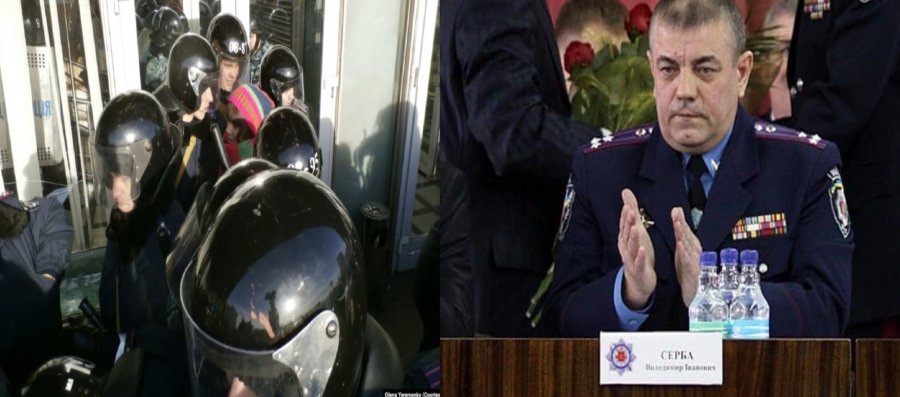
Ukrainian ex-police chief appears at his trial for Maidan crimes after 7 years in hiding
Ukrainian ex-police chief appears at his trial for Maidan crimes after 7 years in hiding
— Read on khpg.org/en/1608809285
On Ukraine’s frontline, a village wants to have its original name back: New York | openDemocracy
As Ukraine and Russia once again come to the negotiating table over the war in eastern Ukraine, a frontline town is trying to put itself back on the map.
— Read on www.opendemocracy.net/en/odr/on-ukraines-frontline-a-village-wants-to-have-its-original-name-back-new-york/

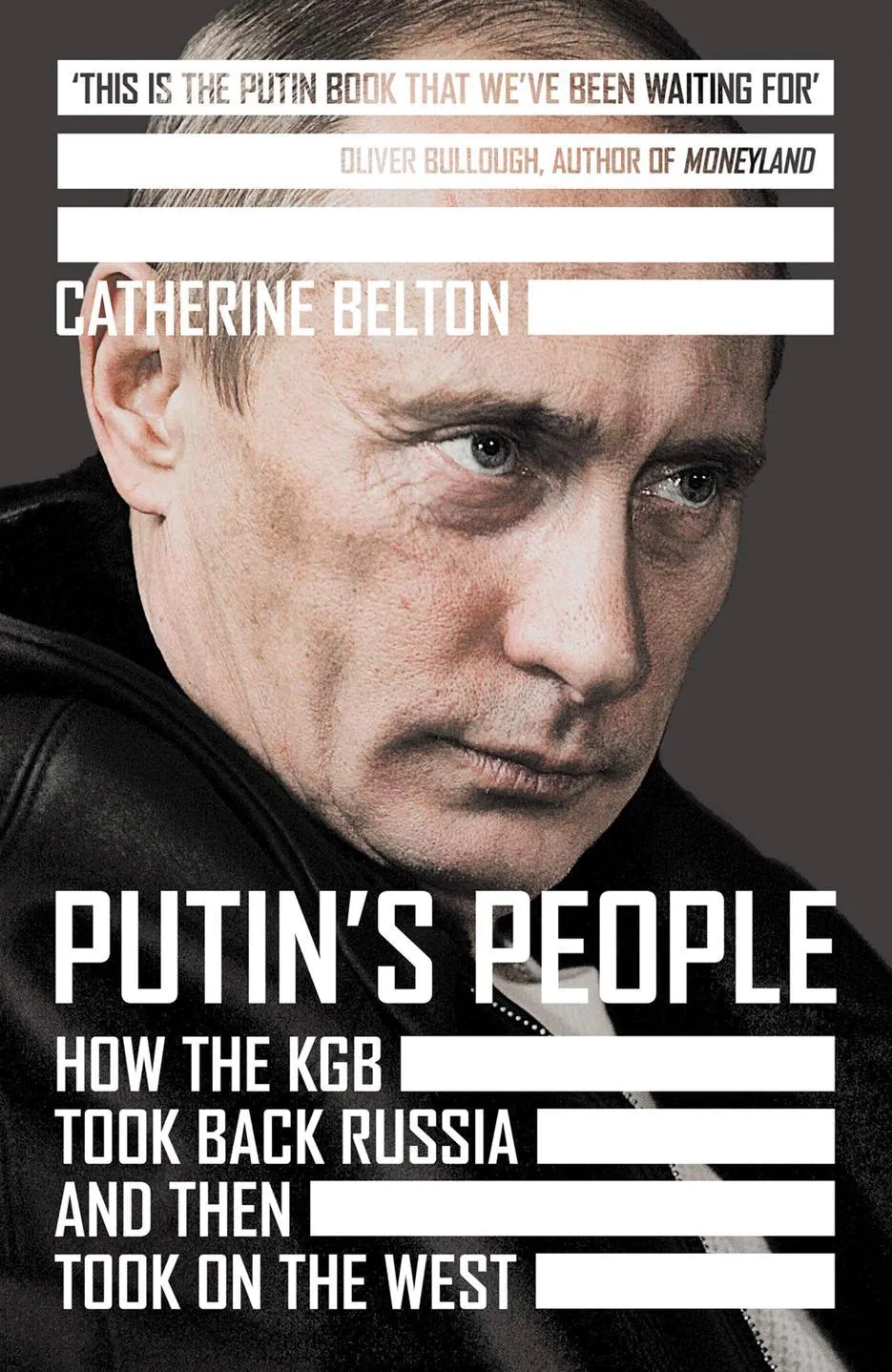
The long arm of the Chekists | Nick Cohen | The Critic Magazine
This article is taken from the July 2021 issue of The Critic. To get the full magazine why not subscribe? Right now we’re offering five issue for just £10.
— Read on thecritic.co.uk/issues/july-2021/the-long-arm-of-the-chekists/
Anglo-Saxons Provoke the Waves: Pro-Kremlin Media Vent about HMS Defender and EU Decisions – EU vs DISINFORMATION
Anglo-Saxons Provoke the Waves: Pro-Kremlin Media Vent about HMS Defender and EU Decisions – EU vs DISINFORMATION
— Read on euvsdisinfo.eu/anglo-saxons-provoke-the-waves-pro-kremlin-media-vent-about-hms-defender-and-eu-decisions/

Russian FSB caught doctoring anonymous witness testimony in trial of 25 Crimean Tatar activists
Russian FSB caught doctoring anonymous witness testimony in trial of 25 Crimean Tatar activists
— Read on khpg.org/en/1608809263

 Solidarity Renewed